Home / Articles
Double Eyelid Surgery: Types, Benefits & What to Expect
Home / Articles
Double Eyelid Surgery: Types, Benefits & What to Expect
Whether you are motivated by aesthetic preferences or functional needs, such as reducing eyelid heaviness, this guide provides a transparent, medical-grade overview of the journey. From understanding different surgical techniques to navigating recovery and costs, here is everything you need to know about this life-changing procedure.
To appreciate how double eyelid surgery works, it is helpful to understand the eyelid’s internal structure. A "double eyelid" occurs when the levator muscle (the muscle responsible for lifting the eyelid) is physically attached to the skin. When the eye opens, the muscle pulls the skin inward, creating a crease.
In a monolid, this attachment is either missing or located very low on the lid. This often results in a smooth, flat surface from the brow to the lash line. Many patients also have an "epicanthal fold," which is the skin covering the inner corner of the eye. Modern surgery focuses on creating a crease that looks natural to your specific facial structure, emphasizing enhancement rather than a "one-size-fits-all" look.
Before proceeding with surgery, it is essential to determine if your anatomy and health are suited for the procedure. A professional consultation is the only way to be sure, but you can start with this checklist:
Choosing the right technique is the most critical decision in your journey. Your surgeon will recommend a method based on your skin elasticity and the amount of fat in your eyelids.
This is often called the "no-scar" method. Instead of a long incision, the surgeon makes several tiny punctures and uses durable sutures to tie the skin to the underlying muscle.
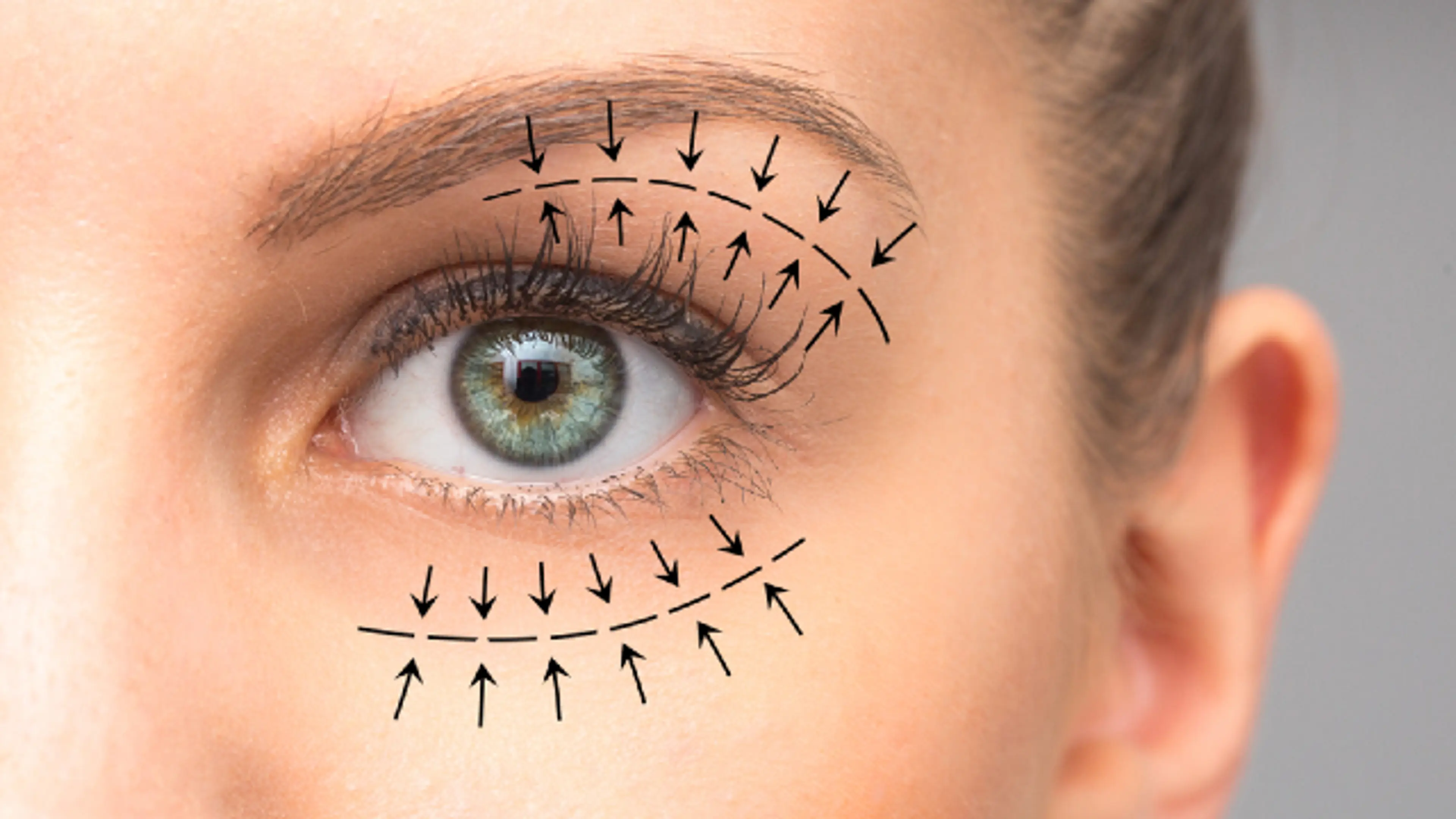
This is the most common approach for permanent, high-definition results. The surgeon makes a continuous incision along the desired crease line.
This technique uses smaller incisions than the full method, allowing for fat removal with less trauma than a full incision.
Many patients seek double eyelid surgery when they actually have "Ptosis"—a condition where the eyelid muscle is weak, causing a sleepy look. If you have ptosis, simply creating a crease will not fix the problem. A specialist will often perform "Ptosis Correction" alongside your surgery to tighten the muscle, ensuring your eyes look wide and alert.
Knowing what to expect can significantly reduce pre-surgery anxiety. The procedure usually takes between 30 and 90 minutes.
Healing from double eyelid surgery requires patience. While the surgery is quick, the tissues need time to settle into their new shape.
Timeline | What to Expect | Activity Level |
|---|---|---|
Days 1–3 | Peak swelling and bruising. Slight tightness. | Rest at home; use cold compresses. |
Day 7 | Suture removal. Swelling begins to drop. | Can return to light work; no makeup yet. |
Weeks 2–4 | Major swelling is gone. Crease looks a bit high. | Can wear makeup and contact lenses. |
Months 3–6 | The crease settles into its final, natural position. | Full results visible; scars fade. |
South Korea is widely recognized as the world leader in plastic surgery, particularly for eyelid procedures. Surgeons in Seoul perform more double eyelid surgeries per capita than anywhere else on earth. This high volume has led to specialized expertise that is simply unmatched.
Beyond skill, South Korea offers a "Full Service" experience. Many clinics provide specialized recovery centers, "de-swelling" laser treatments to speed up healing, and multilingual staff to support international patients. The focus in Korea is on the "natural" look—creating a crease that is so seamless it looks like you were born with it.
When considering the cost, it is important to look at both the price and the quality of the result. South Korea is consistently ranked as the best destination for this treatment because it offers premium, world-class medical care at a fraction of the price found in the US or Europe. Because the market in Seoul is so competitive, patients benefit from the lowest prices without sacrificing safety or expertise.
Country | Average Price Range (USD) | Quality of Specialized Care | Recovery Support |
|---|---|---|---|
South Korea | $1,500 – $3,500 | Highest (Global Standard) | Excellent (Included) |
United States | $4,500 – $8,000 | Varies | Minimal |
United Kingdom | $4,000 – $7,000 | Good | Moderate |
Australia | $3,500 – $6,500 | Good | Limited |
While double eyelid surgery is considered a minor procedure, it is still surgery. Potential side effects include temporary dry eyes, blurred vision for a few days, or minor asymmetry.
The procedure is virtually painless because of the anesthesia. After the surgery, you may feel some "heaviness" or mild soreness, but most patients manage this easily with over-the-counter pain relievers. It is a much more comfortable recovery than most people expect.
With the suture (non-incisional) method, there are no scars. With the incisional method, the scar is placed exactly within the new fold. Once it heals, it looks like a natural skin crease and is invisible when your eyes are open.
The incisional method is permanent. The suture method is also long-lasting, but because it relies on threads, there is a small chance the crease may loosen over 10 to 15 years as the skin naturally ages and loses elasticity.
Typically, you can start wearing eye makeup about 2 weeks after surgery. It is vital to wait until the incision sites have fully closed and any stitches have been removed to prevent infection or irritation.
For international patients, it is recommended to wait at least 7 days before flying. This allows the surgeon to monitor your initial healing and remove your stitches, ensuring you are safe and comfortable for your journey home.
Double eyelid surgery is a refined art form that can significantly enhance your facial harmony and confidence. By understanding the techniques and prioritizing the expertise of the surgeon, you can achieve a look that is both beautiful and lasting.